


From June 11 to 14, the 20th Annual Scientific Meeting of the Asia Pacific Society of Cardiovascular and Interventional Radiology (APSCVIR), joint with the 2026 Annual Meeting of the International Society of Multidisciplinary Interventional Oncology (ISMIO), was grandly held at the Suzhou International Expo Centre. The conference brought together hundreds of top clinical experts, research scholars, and industry leaders from home and abroad to discuss the cutting-edge progress and future trends of minimally invasive interventional diagnostic and therapeutic technologies.
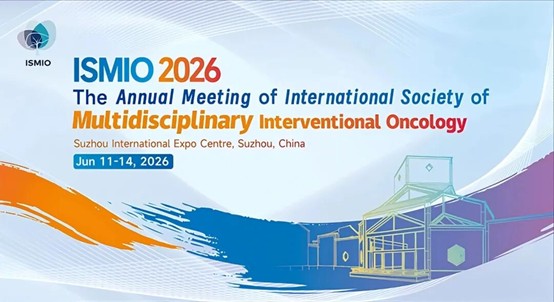
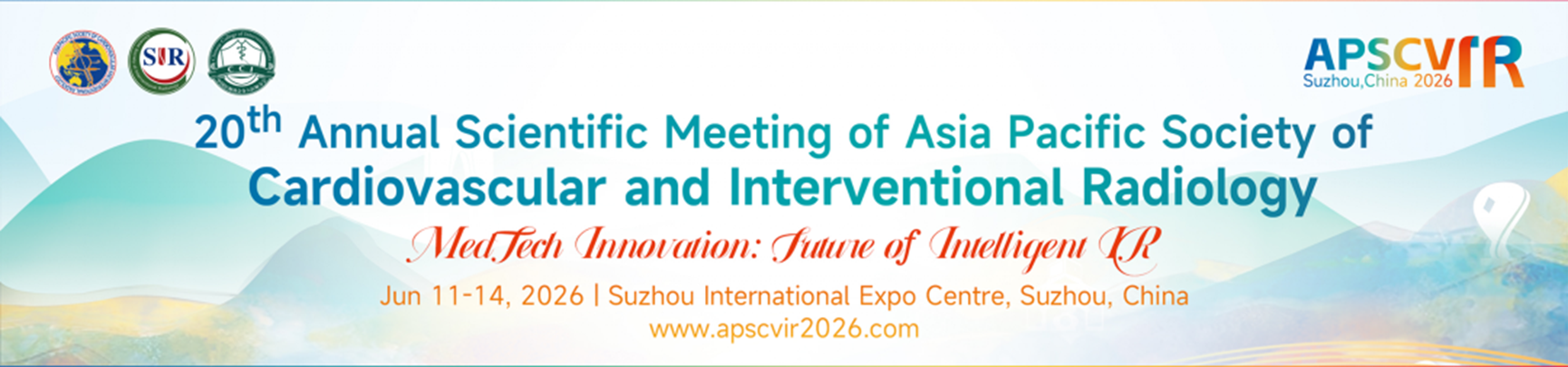
As an important academic organization dedicated to promoting the development of interventional radiology in the Asia-Pacific region, APSCVIR brings together multidisciplinary professional forces and has long focused on the enhancement of clinical practice, technological innovation, and international cooperation. On the other hand, as an international academic organization focusing on the comprehensive multidisciplinary treatment of tumors, ISMIO is committed to promoting the collaborative development of multiple fields—including interventional therapy, surgery, and oncology—and facilitating cross-disciplinary exchange and cooperation.
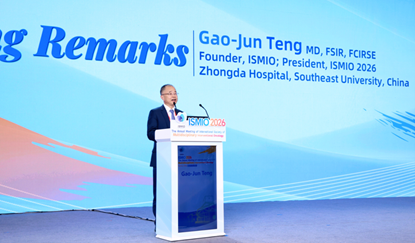
In his opening remarks, Professor Gao-Jun Teng, Chairman of the conference, Academician of the Chinese Academy of Sciences, and an authoritative expert in interventional radiology, pointed out that interventional diagnosis and treatment have become the core modalities for the minimally invasive treatment of tumors and cardiovascular diseases. He highlighted that intelligence, precision, and automation represent the core directions for future development.
As a National Key Clinical Specialty (Oncology) Hospital and the president institution of the International Society of Cryosurgery (ISC), Guangzhou Fuda Cancer Hospital was invited to attend the conference. Dr. Li-Zhi Niu, President of the hospital, and Dr. Yang-Yang Ma, Director of the Central Laboratory, attended as representatives and delivered keynote speeches, showcasing the hospital's cutting-edge achievements in the field of minimally invasive tumor treatment.
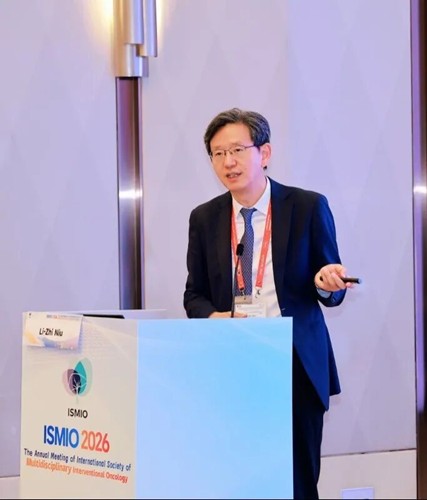
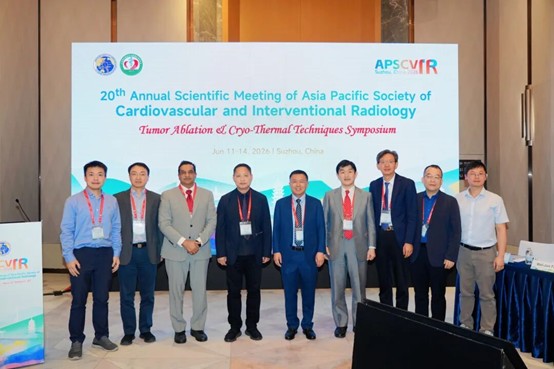
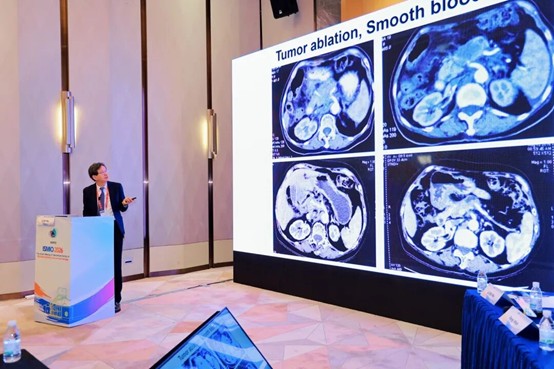
During the conference, President Li-Zhi Niu participated in the "Tumor Ablation & Cryo-Thermal Techniques Symposium." He also served as the moderator for the special session "Current and Future Treatment of Pancreatic Cancer" and delivered a keynote report titled "Irreversible Electroporation (NanoKnife) Ablation Synchronized with Chemotherapy and Immunotherapy for Pancreatic Cancer."
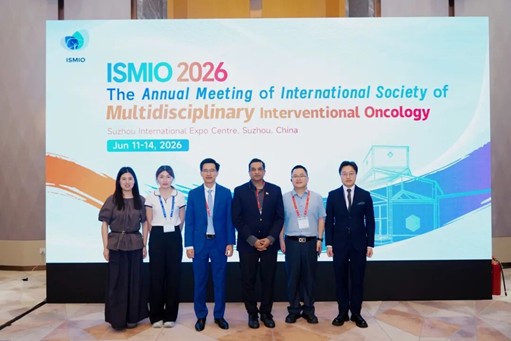
In his speech, President Niu pointed out that pancreatic cancer, often dubbed the "King of Cancers," has become a major target for international medical breakthroughs. Synchronized NanoKnife ablation combined with chemotherapy and immunotherapy is emerging as a new direction for the treatment of unresectable pancreatic cancer. The protocol received high attention and positive evaluations from the attending experts, sparking a enthusiastic discussion.
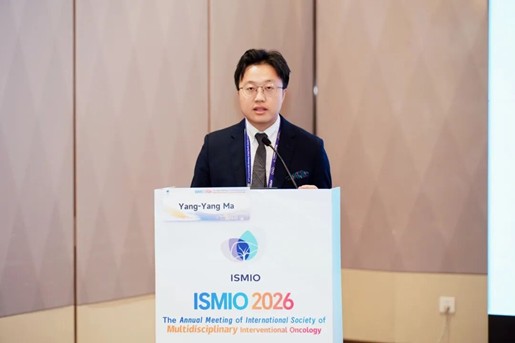
Dr. Yang-Yang Ma, Director of the Central Laboratory, delivered an oral presentation titled "NanoKnife Combined with Chemotherapy and PD-1/PD-L1 Blockade Enhances Anti-Tumor Immunity in Locally Advanced Pancreatic Cancer." Based on a large number of clinical cases and data, and integrated with the latest research progress, Director Ma systematically explained that the NanoKnife can act as a powerful trigger for immune responses. It promotes the massive release of hidden intracellular tumor antigens, serving as an "in-situ tumor vaccine" that induces both local and systemic immune responses.
Furthermore, as a form of "electro-immunomodulatory therapy," the combination of NanoKnife and immunotherapy yields a synergistic effect, opening up a new path for the treatment of locally advanced pancreatic Cancer. Notably, this abstract was previously awarded the "Excellent English Presentation" at the Annual Meeting of the Chinese College of Interventional Physicians (CCI).
This conference not only deepened the integrated practice of tumor intervention and systemic therapy, but also provided an important platform for promoting multidisciplinary fusion and precision treatment practices through the collision of wisdom among global experts.
The brilliant appearance of Guangzhou Fuda Cancer Hospital fully demonstrated its international influence and professional strength in the field of minimally invasive tumor intervention. Taking this as an opportunity, Fuda will continue to cultivate core technologies such as minimally invasive tumor intervention, further strengthen international exchanges and cooperation, and promote "China's solutions" to the world stage—ultimately bringing patients the dual benefits of longer survival and a higher quality of life.