1. What Is CAR-T?
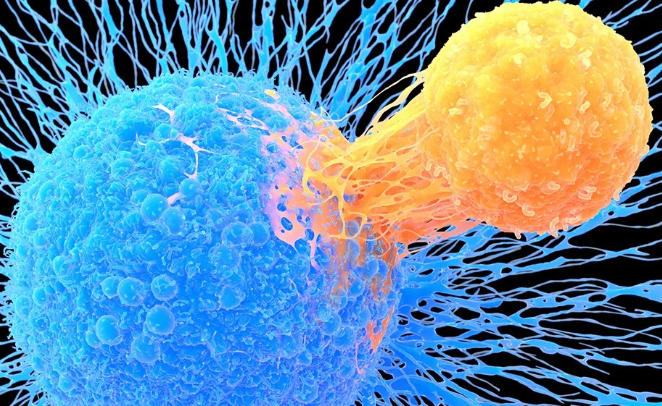
CAR-T, or Chimeric Antigen Receptor T-cell therapy, is a personalized cellular immunotherapy that uses a patient’s own immune cells to attack cancer.
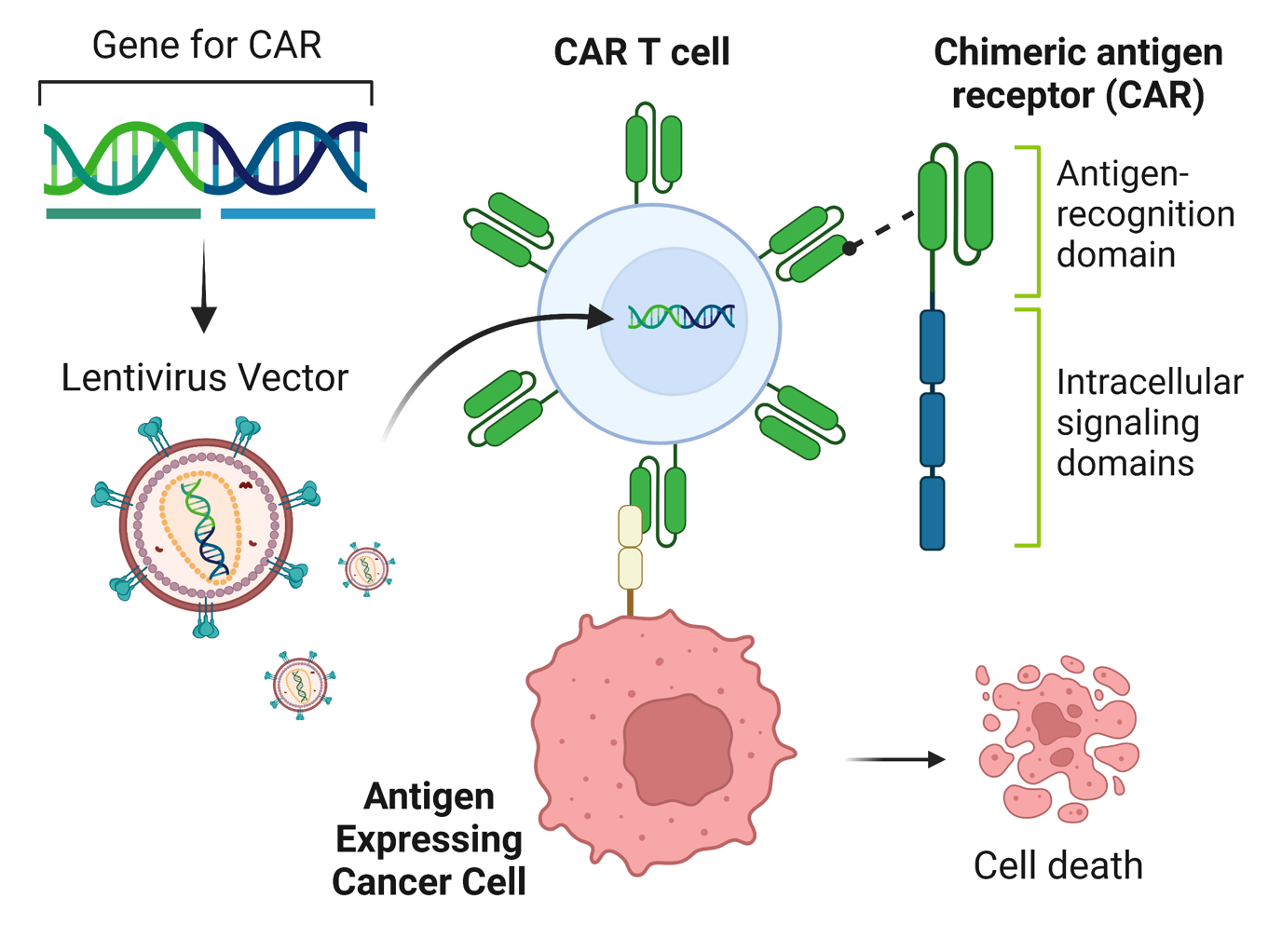
During treatment, T cells are first collected from the patient. Through genetic engineering, these T cells are modified to express chimeric antigen receptors (CARs) capable of recognizing specific antigens on the surface of tumor cells. After ex vivo expansion and quality testing, the engineered CAR-T cells are infused back into the patient, where they identify and destroy tumor cells expressing the target antigen.
Unlike conventional chemotherapy, targeted therapy, or monoclonal antibody therapy, CAR-T therapy has two major characteristics. First, engineered T cells can directly recognize and attack tumor cells. Second, some CAR-T cells may persist in the body for an extended period, providing long-term immune surveillance and offering certain patients the possibility of deep remission and durable disease control.
2. Indications
CAR-T therapy may be used for adult patients with large B-cell lymphoma in the following situations:
Adult patients with large B-cell lymphoma who are refractory to first-line immunochemotherapy, or who relapse within 12 months after first-line immunochemotherapy.
Adult patients with relapsed or refractory large B-cell lymphoma after receiving second-line or later systemic therapy, including:
- Diffuse large B-cell lymphoma (DLBCL), not otherwise specified;
- Primary mediastinal large B-cell lymphoma;
- High-grade B-cell lymphoma;
- Diffuse large B-cell lymphoma transformed from follicular lymphoma.
3. CAR-T Treatment Process
1) Remote Pre-treatment Evaluation
Patients are usually required to submit complete medical records for an initial assessment by hematology-oncology specialists. The following documents are recommended:
- Pathology report;
- Immunohistochemistry report;
- FISH or genetic testing reports, such as MYC, BCL2, and BCL6;
- Previous treatment history and efficacy evaluations;
- Most recent PET-CT, CT, or MRI imaging;
- Blood routine tests, biochemistry, coagulation, and infection screening results;
- Cardiac, pulmonary, liver, and renal function evaluations;
- History of severe infections, hepatitis B, hepatitis C, HIV, tuberculosis, or other relevant conditions;
- A medical summary in English or Chinese provided by the treating physician.
Based on these materials, doctors will evaluate whether the patient may meet the indications for Yescarta® therapy, whether CAR-T treatment is appropriate, and whether further evaluation in China should be arranged as soon as possible.
2) Admission Evaluation
After arriving at the treatment center, patients will undergo comprehensive evaluations, including:
- Disease status assessment;
- Tumor burden assessment;
- Organ function assessment;
- Infection risk assessment;
- Performance status evaluation.
For patients with rapidly progressing disease, doctors will also determine whether bridging therapy is needed during CAR-T cell manufacturing in order to control disease progression and ensure successful CAR-T infusion.
3) Cell Collection
Once deemed eligible for treatment, the patient will undergo leukapheresis to collect peripheral blood mononuclear cells, including T cells.
The collected cells are then sent to a GMP-compliant manufacturing facility for CAR-T cell production.
4) Cell Manufacturing
At the manufacturing center, the patient’s T cells undergo cell selection, genetic modification, expansion, and quality testing to produce CAR-T cells targeting CD19.
The manufacturing process usually requires a certain amount of time. The timeline may vary depending on production scheduling, quality testing, logistics, the patient’s condition, and treatment center procedures. International patients are therefore advised to plan ahead for visas, accommodation, caregivers, and medical scheduling.
5) Bridging Therapy
For patients with high tumor burden, rapidly progressing disease, or significant symptoms, bridging therapy may be arranged while awaiting CAR-T cell manufacturing.
The purpose of bridging therapy is not to replace CAR-T therapy, but rather to control disease progression before CAR-T infusion, reduce treatment risks, and improve the likelihood of successfully proceeding to infusion.
Bridging regimens are individualized and may include chemotherapy, targeted therapy, radiotherapy, or other short-term disease control approaches.
6) Lymphodepleting Chemotherapy
Before CAR-T infusion, patients usually receive lymphodepleting chemotherapy, also known as conditioning chemotherapy.
The purpose is to create a more favorable immune environment for CAR-T cell expansion and activity within the body.
7) CAR-T Cell Infusion
After thawing, the CAR-T cell product is administered intravenously. Axicabtagene ciloleucel is given as a single intravenous infusion.
8) Inpatient Monitoring and Adverse Event Management
After CAR-T infusion, patients require close monitoring at the treatment center. Doctors will focus on the following risks:
- Cytokine Release Syndrome (CRS);
- Immune Effector Cell-Associated Neurotoxicity Syndrome (ICANS);
- Fever, hypotension, and hypoxia;
- Infection;
- Cytopenia;
- Liver and kidney dysfunction;
- Coagulation abnormalities;
- Tumor lysis syndrome.
Most adverse events can be managed effectively through standardized monitoring, early identification, and timely intervention.
9) Long-term Follow-up
After completing CAR-T therapy and discharge from the hospital, patients still require long-term follow-up.
Follow-up includes:
- Treatment response evaluation;
- Blood parameter monitoring;
- Infection risk management;
- Immune function recovery assessment;
- Imaging follow-up;
- Long-term safety monitoring.