- Login ▪ Register
- Message
- Add to favorite
- Website Map
- Select Language
- English
- 简体中文


 How to Choose the Best Treatment Plan for Colorectal Cancer
For patients with intestinal cancer who are unable to undergo surgery—whether due to advanced age, extensive metastasis, or excessively high surgical risks—minimally invasive therapy represents an ideal treatment option. Compared to surgery, conventional chemotherapy, and radiotherapy, minimally invasive therapy offers significant advantages: it facilitates faster patient recovery, involves shorter treatment courses, helps slow the metastasis of cancer cells, and avoids the common side effects associated with traditional chemotherapy and radiotherapy—such as vomiting, nausea, or other adverse reactions.
Fuda Cancer Hospital Kuala Lumpur Service Center offers free consultations.Fuda Cancer Hospital (Located in Guangzhou, China)
Our Signature Therapies
Various ways to treat cancer without surgery or radiation/chemotherapy


-
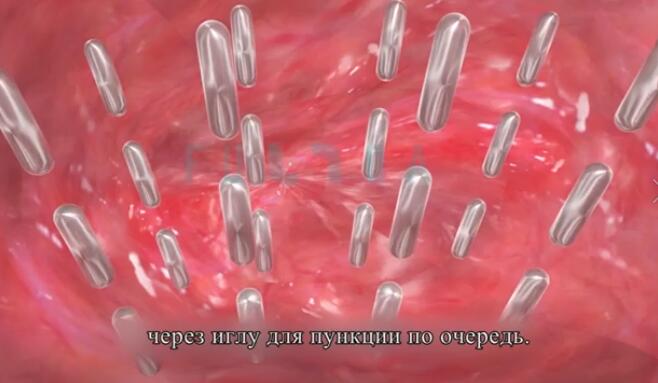
Brachytherapy
It commonly uses 125 iodine seeds which have a half-life period of 59 days and release a short-course of gamma ray. The seeds implanted into cancerous masses radiate to destroy targeted cells, preventing unnecessary exposure of the whole body to radiation. More details
-
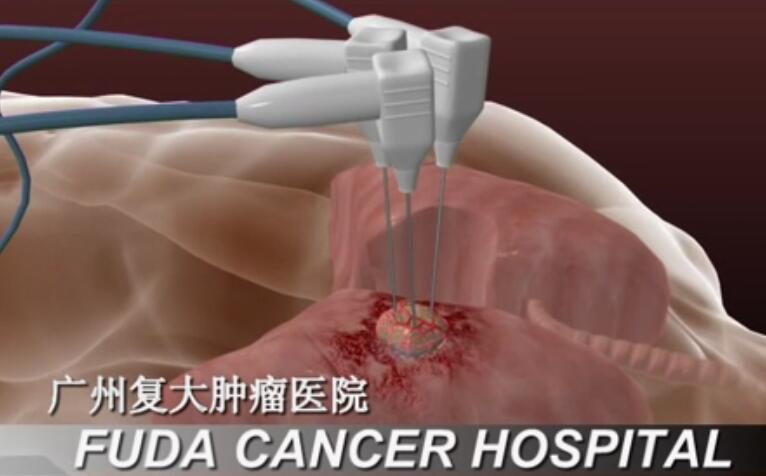
CSA (Cryosurgical Ablation)
Percutaneous freezing is most commonly used, which refers to inserting cryoprobes into the tumor under the guidance of ultrasound or CT and injecting argon gas to rapidly reduce the internal temperature of the tumor, then injecting helium gas to rewarm the ice-ball, and repeat the procedure for at least 2 cycles. More details
-
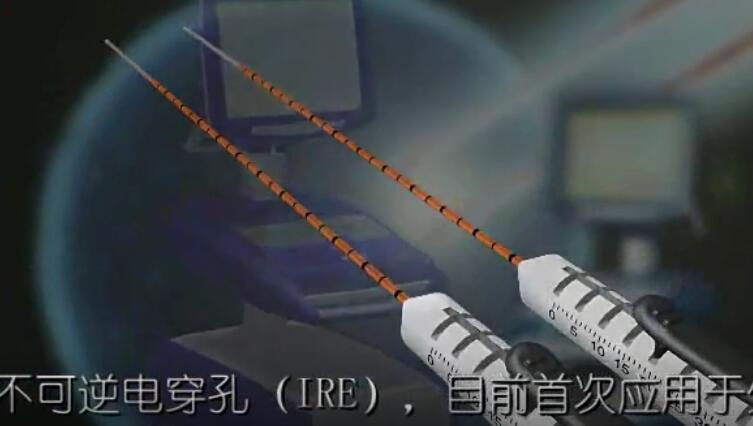
IRE (Irreversible Electroporation)
Irreversible electroporation is also called nano-knife ablation. It can accurately induce tumor cell apoptosis and completely ablate the tumor without irreversible damage to other important tissues in the ablation zone, such as blood vessels, bile ducts, nerves, etc., so that it can reduce complications caused by other traditional ablation methods. More details
-
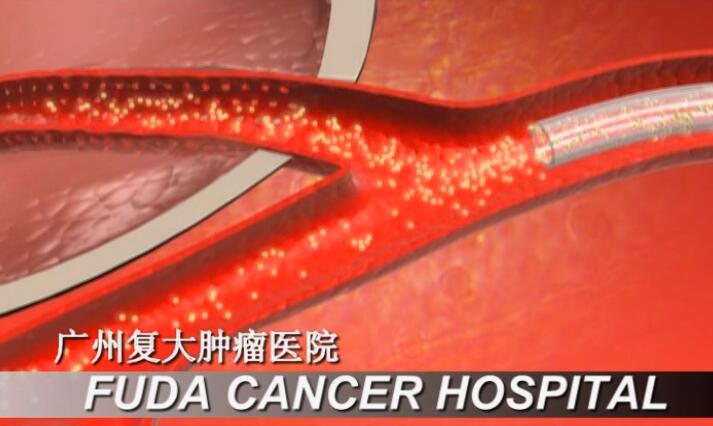
CVI (Cancer Vascular Intervention)
Direct injection of chemotherapeutic drugs or embolic agent into the tumor from the tumor-feeding artery can block the blood vessels, cut off the energy supply, and then the tumor will die of ischemia, hypoxia and starvation. On the other hand, the chemotherapeutic drug is concentrated in the tumor and release slowly, exerting the maximum anticancer effect, while it has little effect on the whole body.
-
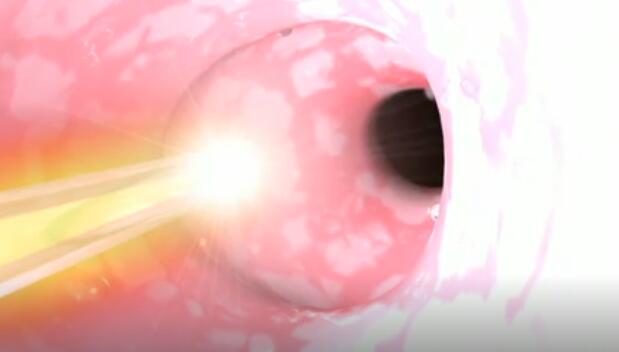
(PDT) Photodynamic therapy
PDT is a non-thermal light chemical reaction and requires oxygen, photosensitive substance (photo-sensitizer) and laser simultaneously. The photo-sensitizer is absorbed by neoplasm tissue and accumulates in the cells for a long time. The photo-sensitizer is activated with the appropriate wavelength of light. This leads to apoptosis of cancer. PDT is more accurate and effective with fewer side effects. More details
-
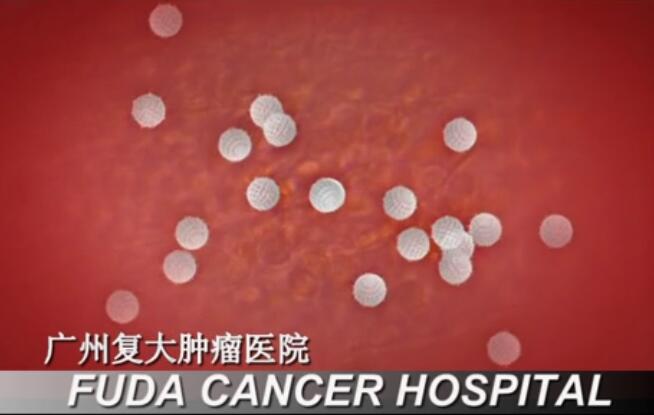
Revolve Resection
Revolve resection is an advanced minimally invasive procedure. It includes surgical instruments of rotary knife and vacuum suction pump, which can perform repetitive cutting on the suspicious lesions and obtain pathological specimens,
Our Signature Minimally Invasive Therapies
Various ways to treat cancer without surgery or radiation/chemotherapy
-
CSA (Cryosurgical Ablation)
Percutaneous freezing is most commonly used, which refers to inserting cryoprobes into the tumor under the guidance of ultrasound or CT and injecting argon gas to rapidly reduce the internal temperature of the tumor, then injecting helium gas to rewarm the ice-ball, and repeat the procedure for at least 2 cycles. More details
-
IRE (Irreversible Electroporation)
Irreversible electroporation is also called nano-knife ablation. It can accurately induce tumor cell apoptosis and completely ablate the tumor without irreversible damage to other important tissues in the ablation zone, such as blood vessels, bile ducts, nerves, etc., so that it can reduce complications caused by other traditional ablation methods. More details
-
CVI (Cancer Vascular Intervention)
Direct injection of chemotherapeutic drugs or embolic agent into the tumor from the tumor-feeding artery can block the blood vessels, cut off the energy supply, and then the tumor will die of ischemia, hypoxia and starvation. On the other hand, the chemotherapeutic drug is concentrated in the tumor and release slowly, exerting the maximum anticancer effect, while it has little effect on the whole body.More details
-
Brachytherapy
It commonly uses 125 iodine seeds which have a half-life period of 59 days and release a short-course of gamma ray. The seeds implanted into cancerous masses radiate to destroy targeted cells, preventing unnecessary exposure of the whole body to radiation. More details
-
CIC (Combined Immunotherapy for Cancer)
Organic combination of various immunotherapies can significantly prolong the survival period of patients with progressive or metastatic cancer and prevent or reduce recurrence. The recurrence rate after surgery is reduced by 50% and half of patients with advanced tumors survived 10 to 15 years or even longer after treatment.More details
-
(PDT) Photodynamic therapy
PDT is a non-thermal light chemical reaction and requires oxygen, photosensitive substance (photo-sensitizer) and laser simultaneously. The photo-sensitizer is absorbed by neoplasm tissue and accumulates in the cells for a long time. The photo-sensitizer is activated with the appropriate wavelength of light. This leads to apoptosis of cancer. PDT is more accurate and effective with fewer side effects. More details
21 anti-cancer treatments: More comprehensive and more professional
Routine therapies
Surgery, radiotherapy, chemotherapy, targeted therapy, radiofrequency ablation, chemical ablation, radioactive stent, traditional Chinese medicine, China medicine, percutaneous ethanol injection, anti-angiogenesis
Distinctive therapies
Irreversible electroporation (Nano-knife), cryosurgery therapy, vascular interventional therapy, microsphere interventional therapy, brachytherapy, photodynamic therapy, combined immunotherapy, microwave ablation, microwave hyperthermia treatment, ozone therapy
Our Hospital's Advantages:
1. We hold a world-leading position in terms of both the volume of cryoablation procedures performed and the diversity of tumor types treated.
2. We rank among the top institutions in Asia for the number of NanoKnife procedures performed.
3. We possess internationally leading expertise in the treatment of advanced-stage cancer; having received numerous domestic and international awards, we attract patients from over 100 countries and regions.
An intestinal cancer patient has lived a high-quality life after treatment at Fuda.
Mrs. Tse with advanced intestinal cancer from Hong Kong, China
In July 2017, Mrs. Tse suffered from abdominal pain so she went to a Hong Kong hospital for examination which indicated a tumor measuring about 3*3cm. One week later, she was diagnosed with rectal cancer. At that time, a doctor suggested her have two surgeries. One was to remove her tumor and make a temporary stoma while the other one to suture the stoma after a few months. However, before these two surgeries, she had to go through 25 cycles of radiotherapy and 6 cycles of chemotherapy to make her tumor smaller. Hearing this, Mrs. Tse was caught in a desperate fear.
On August 28, 2017, Mrs. Tse arrived at Fuda. As of the end of year 2017, Mrs. Tse had undergone 5 cycles of treatment including interventional chemotherapy and photodynamic therapy. On December 7, 2017, reexamination indicated a smaller tumor and tumor marker within normal range. Prof. Niu Lizhi said that her tumor was under control and no need to have a surgery. Hearing this, she said happily, “Thank Prof. Niu! I’m no longer worried about my tumor. Thank you, all of you!” Click here to read her story.

A brand new beginning
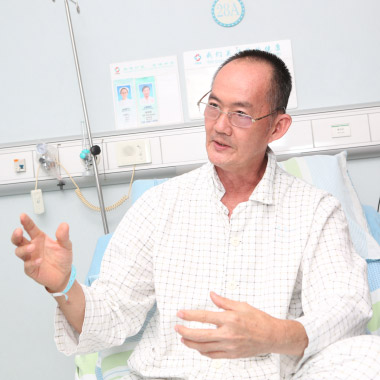
Mr. Chen, Malaysian with advanced rectal cancer
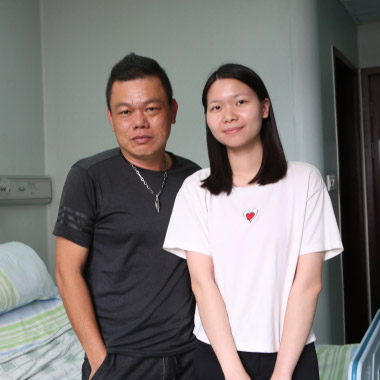
Mr. Lau, Malaysian with advanced rectal cancer
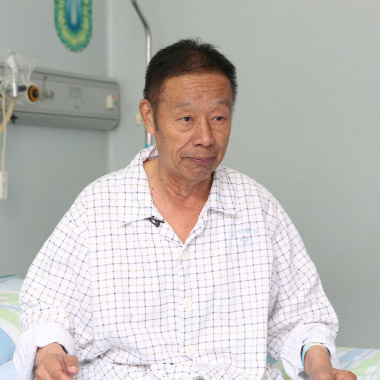
Mr. Zhang, Chinese with advanced colon cancer
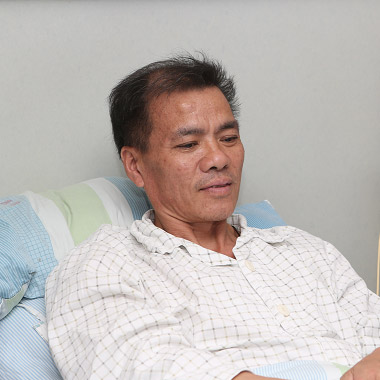
Mr. Li, Chinese with advanced rectal cancer
Media reports---External evaluation of Guangzhou Fuda Cancer Hospital
STRAITS TIMES:Subtle treatment for cancer
VERA FILES:Former Rep. Jun Lozada shares his cancer treatment the Fuda way
Trust from patients in more than 100 countries around the world
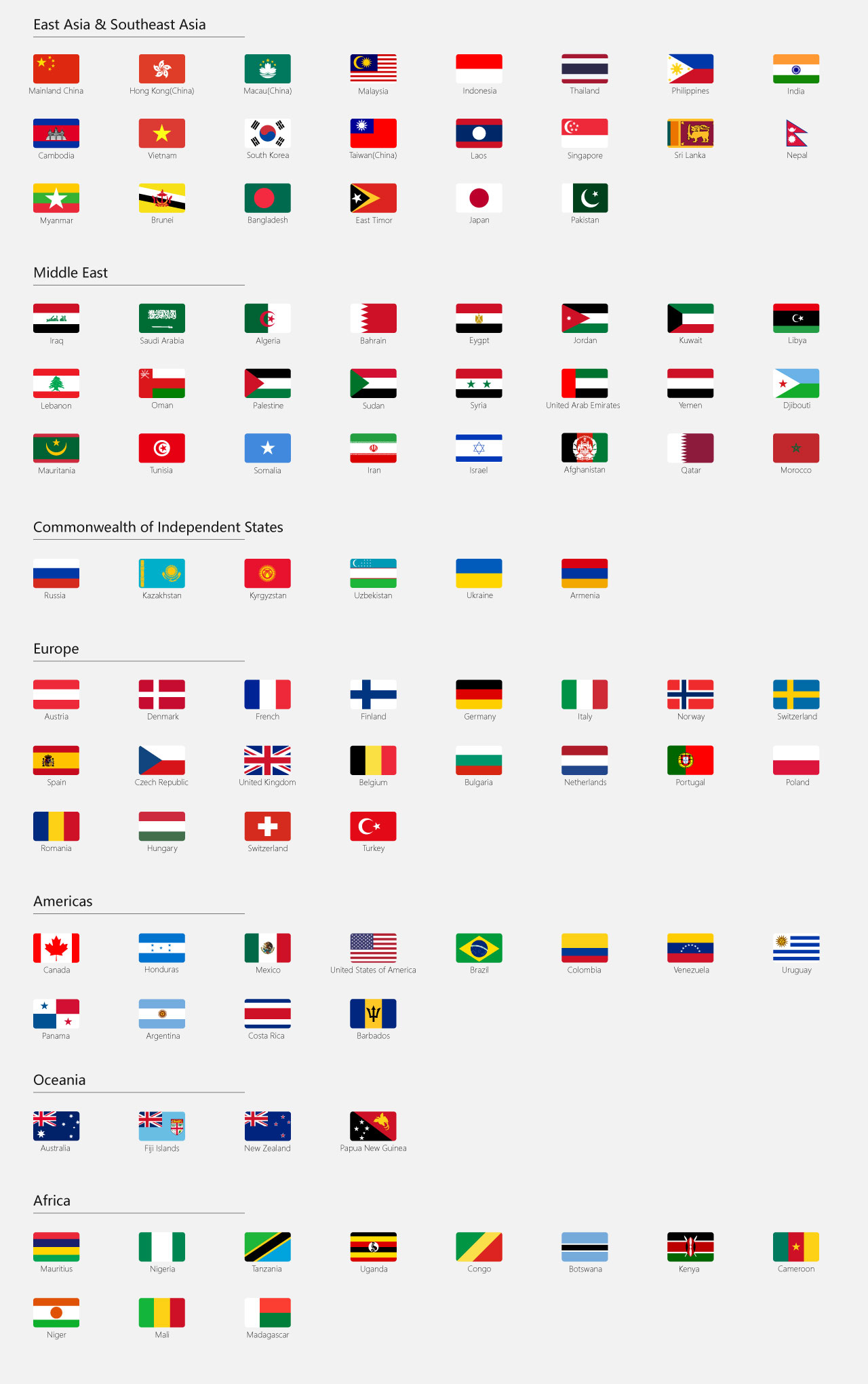
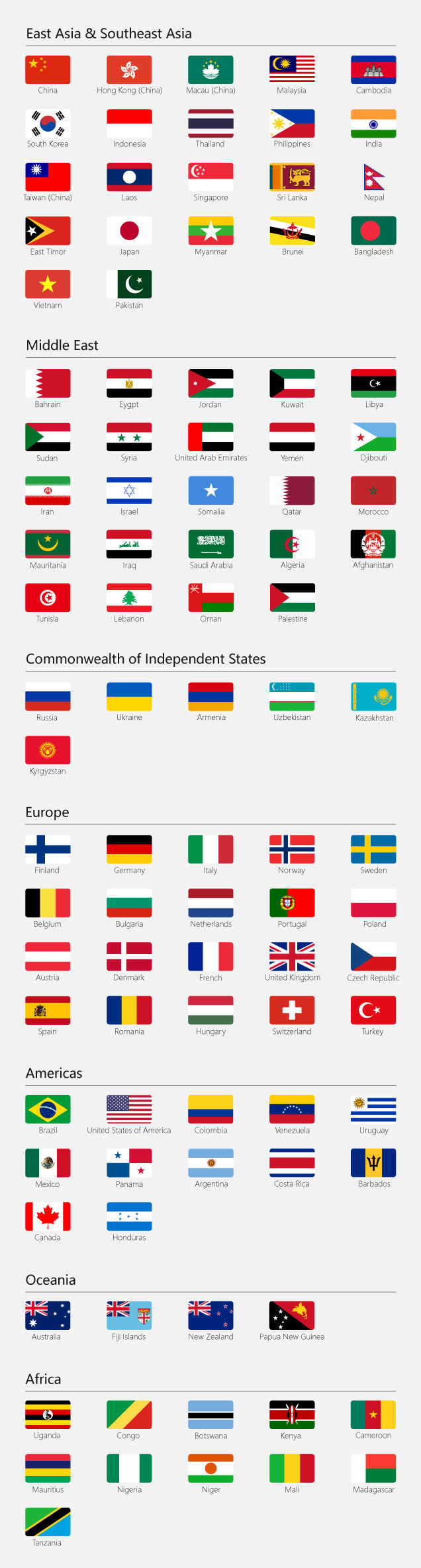
*Patients mainly come from:
Since its establishment, FUDA has already treated patients from over 100 countries, including over 10,000 Southeast Asian patients. FUDA is deeply trusted by its patients.
FUDA Introduction
Fuda Cancer Hospital is considered one of good cancer hospitals in China by many patients and is affiliated to Jinan University and Translational Medicine Center of Guangzhou Institute of Biomedicine and Health of Chinese Academy of Sciences. As a tertiary hospital, FUDA operates with international standards and was selected as the National Key Clinical Specialty (Oncology) Hospital in 2010. Moreover, Fuda was accredited by the Joint Commission International (JCI), a golden standard of medical service worldwide. As an international cancer hospital, Fuda adopts unique anti-cancer concept (to prolong patients’ quality life) and the latest international minimally invasive therapies (over 20 therapies such as nano-knife ablation, cryosurgery and brachytherapy), which benefited cancer patients from over 100 countries around the world.
FUDA Cancer Hospital KL Service Center-复大肿瘤医院吉隆坡办事处
address:Level 27-05, Tower B, Pavilion Embassy, 200Jalan Ampang,Kuala Lumpur,Malaysia
Guangzhou Fuda Cancer Hospital
地址:中国广东省广州市天河区棠德西路2号
address:No. 2, Tangde Xi road, Tianhe district, Guangzhou, Guangdong, China